
T
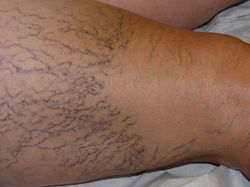
Telangiectasia
Etiology: UV light exposure, irradiation, trauma, topical glucocorticoids (atrophic skin)
Description: spider veins (capillaries + venules)
Associated with: Scleroderma (CREST)
 |  |  |
|---|---|---|
 |  |  |
 |  |  |
 |  |  |
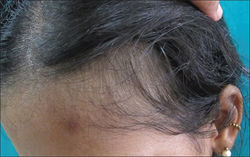
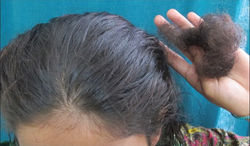
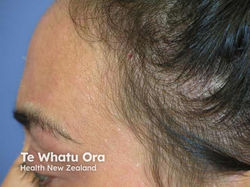
Telogen effluvium
Etiology: illness, hospitalizations, preg, meds, surgeries
Prog: resolves within 6-12 mo
 |  |
|---|---|
 |  |
 |  |
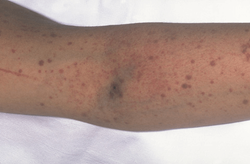
Thrombotic Thrombocytopenic purpura
Etiology: excessive platelet activation and aggregation potentially due to (AR) genetic or acquired deficiency of ADAMTS13 (cleaves vWf)
Description:
-
Petechiae (small, flat, red spots)
-
Purpura (red, purple larger spots)
 |  |
|---|
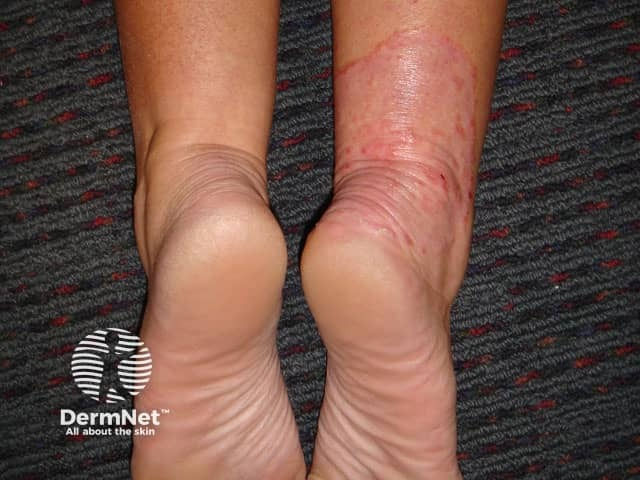
Tinea
Etiology: dermatophytes
Location/Appearance/Tx:
-
Tinea corporis = body
-
annular, scaly, erythematous plaques with slightly raised borders and partial central clearing
-
topical antifungals (terbinafine)
-
-
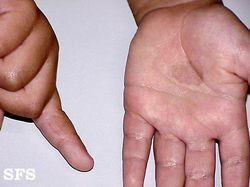
Tinea manuum = hand
-
fine palmar scaling + dryness with redness
-
topical antifungals (terbinafine)
-
-
Tinea cruris = groin
-
well demarcated scaly borders
-
topical antifungals (terbinafine) + absorbant powders + loose undergarments
-
-
Tinea capitis = scalp
-
broken hairs resembling dots, a moth eaten appearance due to patchy hair loss
-
oral griseofulvin
-
-
Tinea pedis = foot
-
silvery white scaling along soles or plantar surface
-
topical antifungals (terbinafine) + powders
-




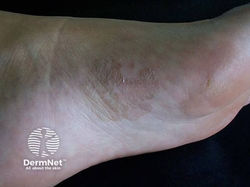
Tinea Nigra
Etiology: Hortaea werneckii
Description: pigmented (gray to black) macules, irregular patches
Location: palms + soles
At risk: laborers in Africa, Asia, Central America, South America
 |  |
|---|---|
 |  |
 |  |
Toxic Shock Syndrome
Etiology: S. aureus enterotoxin Type B or toxic shock syndrome toxin 1 (TSST-1) from tampons or other foreign objects located in the body for a long period of time
Sx:
-
fever, diffuse macular erythematous rash, low BP
-
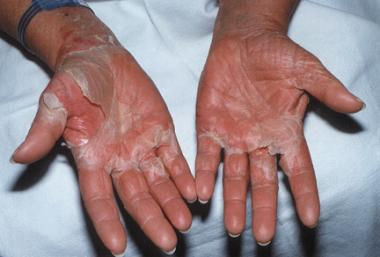
shedding of the skin in large sheets, especially from palms + soles, 1-2 weeks after the onset of illness
Location: palms + soles
Tx: supportive care + systemic abx


Traction Alopecia
Location: frontal hairline, sides
Etiology: regularly wearing tight chignon, cornrows, dreadlocks, weaves, braids, hair extensions, and chemical relaxers and rollers
Description: itching, redness, scaling, folliculitis, multiple short broken hairs, hair loss
At risk: African American women


Transient Neonatal Pusular Melanosis
Etiology:
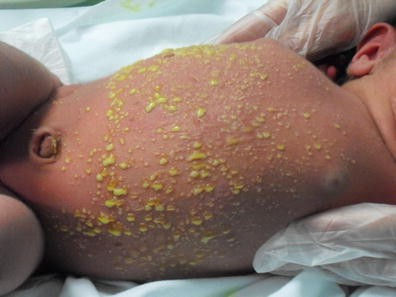
Appearance: pustules that rupture leaving scale and PIH
At risk: skin of color


Trichostasis Spinulosa
Etiology:


Trichotillosis/Trichotillomania
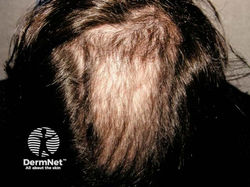
Appearance: different lengths of hair in patch; have black dots from short hairs
 |  |  |
|---|---|---|
 |  |  |
 |  |
Trousseau’s Syndrome
Etiology: people with occult or recently diagnosed visceral malignant disease (pancreatic cancer)
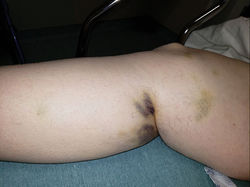
Description: Lesions appear as inflamed, reddened lines or lumps in the fat under the skin
Location: trunk or extremities
 |  |
|---|---|
 |
Tuberous Sclerosis
Etiology: mutation in TSC1 (hamartin), TSC2 (tuberin)
Inheritance: AD
Description: hypomelanotic macules / ash-leaf spots + angiofibroma (small bumps especially around nose + cheeks)
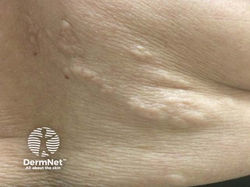 shagreen patch |  Ash leaf marks |
|---|---|
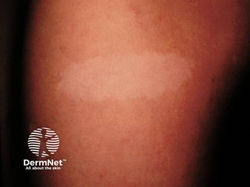 Ash leaf marks |  Ash leaf marks |
 Periungual fibroma |  Periungual fibroma |
 Periungual fibroma |  Periungual fibroma |
 Periungual fibroma |  Periungual fibroma |
 Angiofibromas | 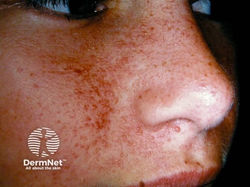 Angiofibromas |
 Angiofibromas |  Angiofibromas |
 Angiofibromas |  Angiofibromas |
 Angiofibromas |  Angiofibromas |
 Angiofibromas |  Angiofibromas |
 Angiofibromas |